
- IOS land is valued on zoning, access, improvements, site size, and lease status — not building size.
- Front Range values range from $2 to $15+ per SF, depending on submarket and entitlements.
- By-right outdoor storage zoning is the single biggest value driver — without it, you’re selling raw land.
- A stabilized NNN lease can add 20–35% to what vacant land would bring.
- Entitled IOS sites along the Highway 85 corridor and in Adams and Weld counties are increasingly difficult to create — existing permitted sites carry a real premium.
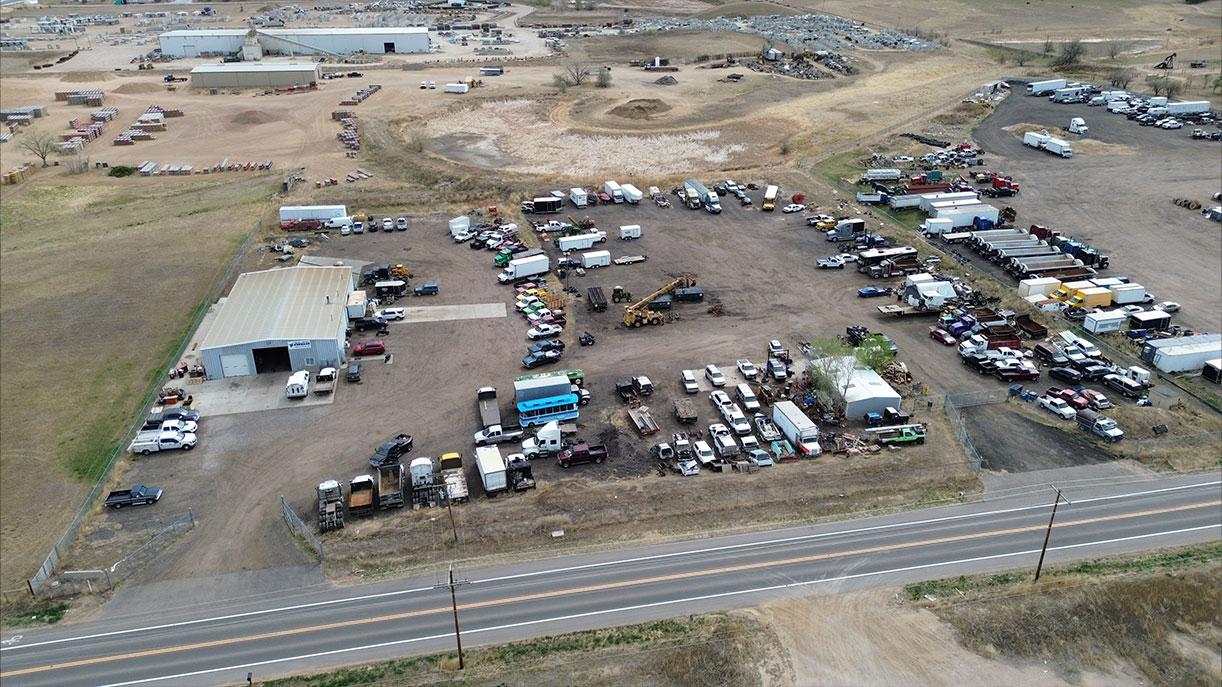
Industrial Outdoor Storage — commonly referred to as IOS — has evolved from a niche property type into one of the most actively sought asset classes in commercial real estate. In the Denver metro and along the northern Front Range, demand for IOS land has outpaced supply for several years running, pushing values higher and drawing investor attention that was largely absent from this sector a decade ago. Whether you own an IOS site, are looking to acquire one, or are evaluating land for this use, here’s what the market looks like in 2026.
What Is IOS?
Industrial Outdoor Storage is land used primarily for outdoor storage and staging rather than enclosed building space. Typical users include:
- Trucking and logistics companies
- Contractors and construction firms
- Utility and telecom companies
- Equipment rental operators
- Pipe, steel, and building material suppliers
The Numbers
General Denver-area land values for vacant or lightly improved IOS sites in 2026:
- Denver Core: $8–$15+ per SF
- Commerce City / Brighton: $4–$10 per SF
- Greeley / Weld County: $2–$6 per SF
Stabilized IOS assets with NNN leases are trading at 5.5%–7.5% cap rates across the metro, with well-located institutional-quality sites pushing toward the lower end as investor competition has increased.
Note: Individual site values depend heavily on the specific factors below. These are ranges, not appraisals.
Five Things That Move IOS Values
Zoning
By-right outdoor storage is the single most important entitlement. Sites requiring a conditional use permit carry added risk, uncertainty, and a meaningful discount compared to sites where IOS is permitted outright.
Highway Access
Proximity to I-70, I-76, Highway 85, or E-470 commands a premium. Tenants measure their lives in deadhead miles — sites within a mile of a highway interchange consistently lease faster and attract stronger tenants.
Surface Improvements
Paving, fencing, lighting, and drainage matter. Move-in-ready sites typically trade at a premium that exceeds the cost of those improvements, making surface investment one of the most reliable value-creation strategies for IOS owners.
Size
Three to five acres is the sweet spot for single-tenant users and will find the deepest buyer pool. Sub-2-acre sites are harder to place with institutional capital but remain viable for owner-users and smaller operators.
Lease Status
A long-term NNN lease with a creditworthy tenant can increase value by 20–35% over vacant land. That spread is real — and it’s one of the most compelling reasons to stabilize a site before going to market.
Over the last two years we’ve seen IOS users increasingly move north, into Adams and Weld counties, as Denver-area zoning continues to tighten around outdoor storage. If you own a permitted IOS site today — especially along the Highway 85 corridor — you’re in a good spot, whether you hold or sell. Entitled outdoor storage land is getting harder to create every year, and replacement supply is limited.
We’ve also seen deals in the last six months where buyers paid a 30% premium over non-IOS land comps because the zoning was clean and the site was ready to operate. That’s the spread between an entitled IOS site and industrially zoned land that can’t actually store equipment, trailers, or materials. A lot of owners don’t realize that gap exists until they’re in the middle of a transaction.