
- Most winter damage to industrial buildings is preventable – and it usually traces back to a roof, drain, heater, or pipe that wasn’t checked before the first hard freeze.
- Colorado’s big temperature swings and freeze-thaw cycles are especially hard on roofs, pavement, and plumbing.
- Roof drains, scuppers, and downspouts should be cleared before snow arrives. Water that can’t drain ends up inside the building.
- Fire sprinkler lines, exterior plumbing, and overhead doors are among the most common – and most expensive – winter failures.
- Vacant industrial buildings carry the most risk, because no one is there to notice a problem until the damage is done.
- Know who is responsible for what under the lease, and have vendors and a snow removal plan lined up before the first storm, not during it.
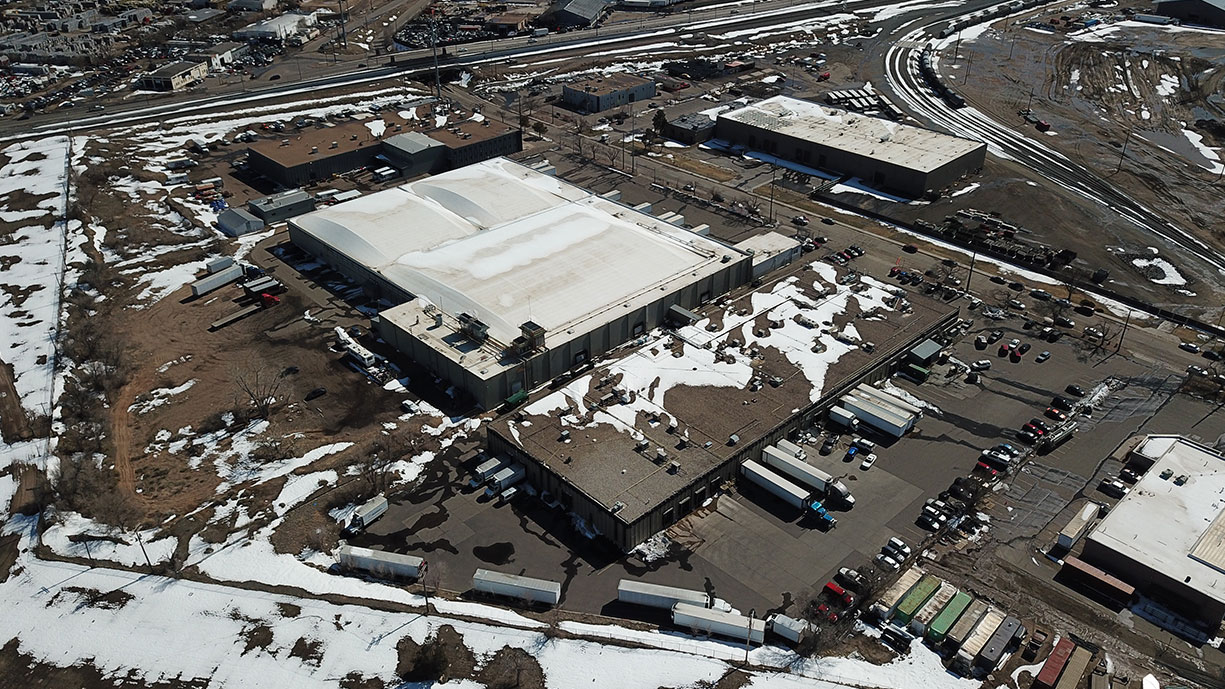
Industrial property management in Colorado means planning for winter before it arrives. The weather rarely gives much warning – a mild week can turn into a hard freeze overnight, and a heavy, wet snow can follow a 60-degree afternoon. For owners and tenants of industrial buildings in Denver, Commerce City, and across the northern Front Range, late fall is the right time to get ahead of problems, because a burst pipe, a leaking roof, or a heater that won’t start in January costs far more than the inspection that would have caught it. Here is where we focus as property managers.
Inspect the Roof and Drainage Before the First Snow
The roof takes the worst of a Colorado winter, and it is the first place to look. Have it walked and inspected before snow falls, paying particular attention to flashing, seams, skylights, and anything that penetrates the roof surface.
- Clear debris from roof drains, scuppers, gutters, and downspouts so meltwater has somewhere to go
- Look for ponding areas where water collects and can freeze
- Check that downspouts discharge away from the building and not across a drive aisle or dock apron
- Repair known leaks now – a small leak in October is often a large one by February
Older buildings with flat or low-slope roofs deserve extra attention after a heavy, wet snow, and any roof concern is worth putting in front of a qualified roofing contractor rather than guessing.
Service Heating Equipment and Protect Vacant Buildings
Unit heaters, rooftop units, and furnaces should be serviced and test-run in the fall, not discovered broken on the first cold morning. Replace filters, confirm thermostats are working, and make sure carbon monoxide detectors are in place where fuel-burning equipment is used.
Vacant industrial space needs special care. A building with the heat turned off is a building with pipes at risk. Keep vacant space heated to a set minimum temperature to protect plumbing and sprinkler lines, and confirm the right setting with your HVAC contractor and insurance carrier.
Prevent Frozen Pipes and Protect Fire Sprinkler Systems
Frozen and burst pipes are among the costliest winter claims in any building, and industrial properties have more exposed plumbing than most: large unheated warehouse areas, exterior spigots, and sprinkler risers near overhead doors.
- Insulate exposed pipes and add heat tape where appropriate
- Shut off and drain exterior hose bibs and irrigation lines
- Check backflow preventers and any plumbing in unheated areas
- Know where the main water shutoff is, and make sure tenants know too
- Have a licensed fire protection contractor confirm that sprinkler systems in unheated areas are properly protected
A frozen sprinkler line can rupture and flood a building quickly. This is not an area for do-it-yourself fixes.
Seal Overhead Doors and Dock Equipment
Overhead doors, dock seals, and weatherstripping take constant abuse. Worn seals let cold air in, drive up heating costs, and can leave frost and ice on the floor near dock doors. Inspect door seals and weatherstripping, lubricate door hardware and operators, test dock levelers, and make sure man doors close and latch properly. Small gaps add up quickly in a large building.
Snow Removal and Pavement Care for Industrial Properties
Freeze-thaw cycles turn small pavement cracks into potholes. Sealing cracks and fixing drainage problems in the fall keeps water from freezing across drive aisles and truck courts, which is both a maintenance issue and a liability issue.
Just as important is a snow removal plan that is in place before the first storm. A good plan covers:
- A contract with a reliable vendor, including how much snow triggers a visit and how quickly they respond
- Where snow can be piled – away from drains, hydrants, dock doors, and truck turning areas
- Ice melt on walkways and entrances, and who is responsible for applying it
- Documentation of when service was performed, which matters if there is ever a slip-and-fall claim
Know Who Is Responsible Under Your Industrial Lease
In a typical NNN lease, responsibility for roof, structure, and building systems is split between landlord and tenant in ways that vary from lease to lease. Winter is a bad time to find out the answer. Owners should review the lease language on roofs, HVAC, plumbing, parking areas, and snow removal; tenants should know what is theirs and what to report. Either way, a short note to tenants in early November with after-hours contacts, shutoff locations, and what to report immediately goes a long way.
Vacant buildings deserve their own plan. Someone should be checking them regularly during cold snaps and after storms, because nobody else will notice a problem.
Industrial Building Winter Checklist
A quick reference for owners, tenants, and property managers:
- Inspect the roof and clear all drains, scuppers, and downspouts
- Service heaters and rooftop units, and replace filters
- Set vacant space to a protective minimum temperature
- Insulate exposed pipes; drain exterior hose bibs and irrigation lines
- Confirm sprinkler systems in unheated areas are protected
- Locate and label water shutoffs, and share them with tenants
- Inspect overhead door seals, dock seals, and weatherstripping
- Seal pavement cracks and fix drainage problems
- Confirm the snow removal contract and snow pile locations
- Send tenants a winter notice with emergency contacts
- Review lease responsibilities for roof, HVAC, plumbing, and snow removal
Every year I see the same thing: an unexpected freeze hits early in the season, before anyone has gotten ready, and pipes freeze. The damage runs into thousands of dollars in a hurry, and it is almost always avoidable.
That is why I put a reminder on my calendar every year for early October. That is when I reach out to tenants and remind them to get their space ready for cold weather.
Vacant properties are the bigger risk, because no one is there to notice a problem. For those, I don’t leave it to a phone call. I go to each one myself and make sure everything is ready before the first cold spell arrives.
Winter prep costs a fraction of winter repair. Pick a date, put it on the calendar, and make it the same date every year.