- Small industrial buildings in Denver (5,000–20,000 SF) are valued using the Sales Comparison, Income, or Cost Approach — or a combination.
- Clear height, loading configuration, power, and lot size are the top physical value drivers.
- Location within the Denver metro matters greatly — submarkets like I-70 East, Commerce City, and the Northwest Industrial Corridor each carry distinct pricing.
- Owner-user buildings typically sell on a price-per-SF basis; investor-owned leased assets are evaluated on cap rate.
- Always consult a local industrial broker with recent, comparable transaction data before pricing or making an offer.
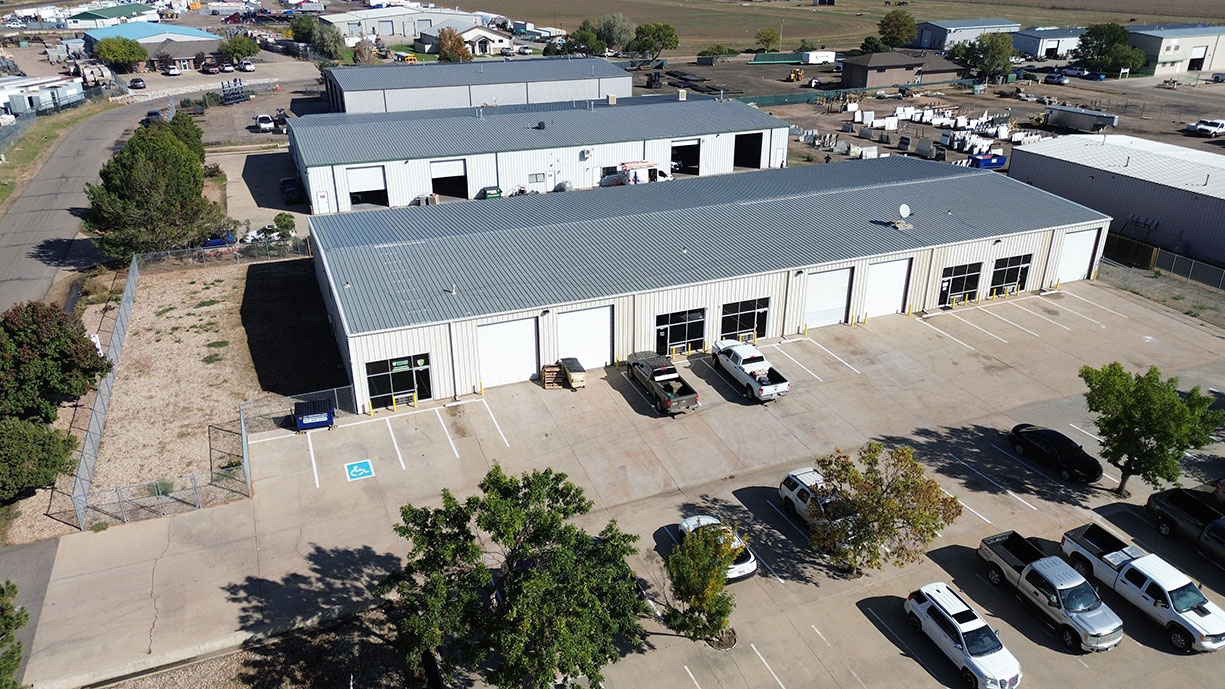
Whether you’re a property owner considering a sale, a business owner looking to purchase your first building, or an investor evaluating an acquisition, understanding how industrial properties are valued is essential. In Denver’s active industrial market, small buildings in the 5,000–20,000 square foot range carry strong demand — but valuation isn’t always straightforward. This guide breaks down the three primary methods appraisers and brokers use to determine value, the key factors that move the needle, and what you should know before entering the market.
The Three Approaches to Valuation
Most industrial properties are valued using one or more of the following three approaches:
- Sales Comparison Approach – Compares recent sales of similar industrial buildings nearby. This is the most common method for owner-user properties and smaller buildings.
- Income Approach – Analyzes the income the property generates (or could generate) based on market rents, vacancy, and expenses. Most relevant for investor-owned, leased buildings.
- Cost Approach – Estimates what it would cost to replace the building from scratch, then adjusts for depreciation and land value. Often used as a secondary check or for special-use properties.
Key Value Drivers for Small Industrial Buildings
Several property specific factors significantly impact the value of a small industrial building in Denver:
Clear Height – Ceiling height directly affects how a building can be used. Most small industrial buildings in the Denver metro range from 18–28 feet of clear height. Higher ceilings command a premium, especially for warehousing and distribution users.
Office Finish – The ratio of office space to warehouse space affects value. A higher percentage of finished office space can increase price per square foot for certain buyers, while pure warehouse users may prefer minimal office finish.
Dock & Drive-In Doors – Loading configuration matters. Drive-in doors at grade are essential for many light industrial users. Dock-high doors add value for distribution-focused tenants and buyers.
Location & Access – Proximity to I-25, I-70, or I-76, as well as last-mile delivery corridors, strongly influences demand. Submarkets like Commerce City, and the I-70 corridor each carry different value profiles.
Lot Size & Yard – Extra land for outdoor storage, trailer parking, or future expansion is a significant value add—especially as Industrial Outdoor Storage (IOS) continues to attract investor attention in Denver.
What Are Small Industrial Buildings Selling for in Denver?
Pricing in the 5,000–20,000 SF range varies depending on submarket, condition, and functionality, but recent market activity in the Denver metro has shown values generally ranging from $150 to $275+ per square foot for owner-user product. Leased investment properties are often evaluated on a cap rate basis, with well-located assets trading in the 6.5%–7.5% cap rate range depending on lease terms and tenant credit. It’s important to work with a broker who has current, local data — general market averages can be misleading for smaller, one-off buildings.
If you’re waiting for prices to drop on buildings in this size range, I wouldn’t hold your breath. The demand pool for 5,000–20,000 SF industrial in Denver is uniquely deep — owner-users, local investors, and regional investment groups are all competing for the same product. And here’s the dynamic that surprises most people: users can often out-pay investors, because they’re underwriting the building for their business, not just to a cap rate. This keeps a price floor higher than other assets, even when there is a downturn in the broader real estate market The best time to buy was 20 years ago. The next best time is today.