
- For a growing number of industrial users, electrical capacity has joined clear height, loading, and location as a go/no-go question.
- The label on the panel is not the full story — amperage, voltage, phase, available load, and utility delivery capacity all matter.
- Power upgrades are possible but can be costly and time-consuming — who pays, how long it takes, and whether the timing works for the deal needs to go into the documents.
- Owners should document and verify their electrical service before going to market; documented power is a competitive advantage.
- Buyers and tenants should start with their equipment list and operating load, not a generic target — then verify against what the building and utility can actually deliver.
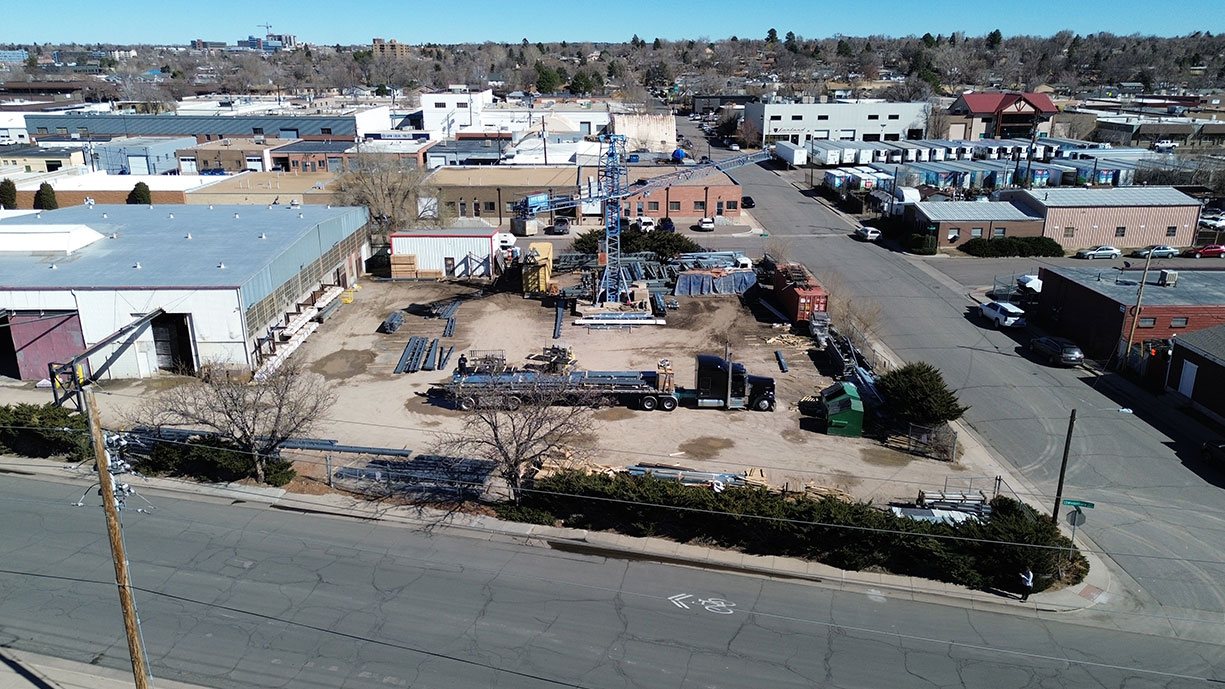
For years, clear height was the industrial spec everyone asked about first. Increasingly, another question can end a property tour just as quickly: how much power does the building have? For a growing segment of industrial users, electrical capacity has moved into that first tier of go/no-go criteria — and both owners and tenants need to understand what that means for how properties are evaluated and how deals get structured.
Who Needs the Power
This is not just a data center issue. Electrical demand is showing up across a wide range of industrial users:
- Manufacturers running CNC equipment, robotics, welders, and automated production lines
- Cold storage, food processing, and refrigeration-intensive operations
- Laboratories and specialized production users
- Fleet operators adding electric vehicle charging infrastructure
- Any user replacing gas-fired processes with electric equipment
For these users, an otherwise attractive building — good location, useful loading, adequate clear height — may be functionally unusable if the electrical service cannot support the operation.
Why the Label on the Panel Is Not Enough
Power is often marketed too casually: 800 amps… 480 volts… heavy power. Those descriptions may be a useful starting point, but none is a complete answer. Here’s what actually needs to be evaluated:
Amperage, voltage, and phase
Usable capacity depends on the combination. Three-phase service is often essential for industrial equipment; amperage by itself can be misleading, and voltage alters the balance.
What is actually serving the building
A panel rating does not prove that the utility, transformer, and conductors can deliver the same capacity. The panel reflects what was installed, not necessarily what can be drawn.
Available versus connected load
Existing equipment may already consume much of the service. A tenant needs to know what capacity remains for its operation — not just what the panel is rated for.
Expansion capacity
Even if more power exists nearby, the utility may require studies, equipment purchases, or system upgrades before additional capacity can be delivered to the building.
Time and cost
The right question is not just whether an upgrade is possible. It is who pays for it, how long it will take, and whether that timing works for the deal.
What Owners Should Do Before Going to Market
- Collect recent utility bills and identify the serving utility and account details
- Document amps, volts, phase, panels, switchgear, and transformer information
- Have an electrician confirm the existing system and identify any obvious constraints
- Do not advertise upgrade capacity until the utility has confirmed it is available and deliverable
- If heavy power is a genuine property advantage, make it easy for a prospect to verify — documented power separates an ordinary building from a short list of competitors
What Buyers and Tenants Should Ask
Start with your equipment list and operating load — not a generic target like “800 amps.” Have your engineer or electrician translate that requirement into the correct specs for your operation. Then confirm the existing service against those specs, speak directly with the utility when an upgrade is needed, and put responsibility, cost, and timing into the deal documents before you are committed.
Power is becoming a form of functional obsolescence. A well-located older building may have good access, useful loading, and reasonable clear height, yet lose out on a prospect because its electrical infrastructure can’t keep up. Conversely, documented power can separate an ordinary building from a short list of competitors.
That does not mean every owner should rush out and buy a larger transformer. The right upgrade is highly user-specific, and speculative work can be expensive. The first value-creation step is simple: know what you have, know what the utility can support, and be able to prove it.